Lace Bunny: A Designer’s Review for Boutique Apparel
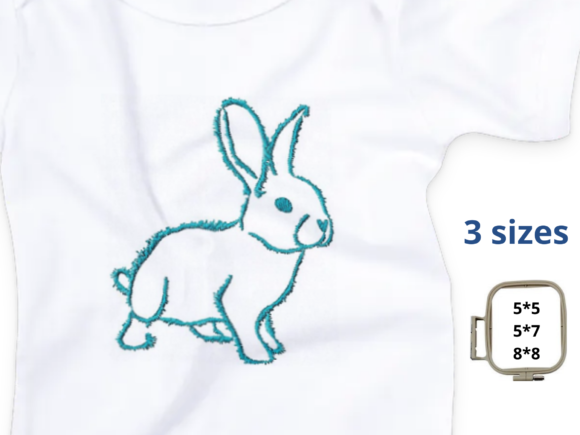
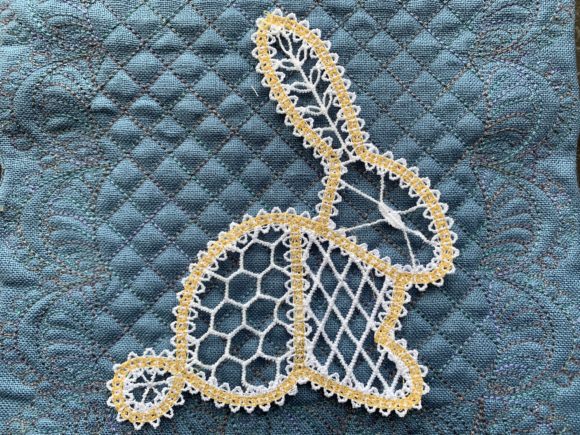
As an embroidery designer who spends countless hours digitizing and testing files for commercial use, I am always on the lookout for designs that bridge the gap between traditional craft aesthetics and modern apparel trends. When I first encountered Lace Bunny on Creative Fabrica, my immediate interest was piqued by its unique approach to texture. This is not your standard satin-stitch cartoon rabbit. Instead, it is a machine embroidery design based on the Battenburg lace pattern, meticulously crafted to mimic the look of handmade lace. For boutique owners and Etsy sellers preparing their spring collections, this distinction is vital. It offers a sophisticated, vintage-inspired alternative to the bold, blocky graphics that dominate the market.
Visual Personality and Stitching Mood
The first impression of Lace Bunny is one of delicate intricacy. The visual personality is undeniably feminine, rustic, and playful, yet it maintains a level of classic elegance that prevents it from feeling childish. In the world of custom apparel, texture is everything. The Battenburg lace style relies on open spaces and connecting bars rather than dense fill stitches. This creates a breathable, lightweight feel that is perfect for seasonal transitions. When viewed up close, the design looks like a piece of heirloom textile applied to the garment, adding a layer of perceived value that simple prints cannot achieve.
For a boutique brand, this aesthetic signals attention to detail. It suggests that the finished product is a handmade item created with care, rather than mass-produced merchandise. The mood is soft and inviting, making it an excellent choice for customers seeking cozy, nostalgic vibes in their wardrobe. Whether you are targeting young mothers looking for Easter outfits or adults who appreciate cottagecore fashion, the design’s charm is universal.
Apparel Applications and Placement Strategy
When planning a small sweatshirt or hoodie collection, placement is key to maximizing the impact of Lace Bunny. Because the design mimics lace, it performs exceptionally well on neutral sweatshirts and pastel hoodies. Imagine a soft blush or cream-colored fleece hoodie with the bunny embroidered on the left chest. The subtle contrast between the thread and the fabric allows the intricate lace pattern to shine without overwhelming the garment. This is ideal for customers who prefer understated, everyday luxury.
However, do not limit this design to just chest placements. For oversized garments, consider positioning Lace Bunny slightly off-center or larger on the back for a statement piece. On t-shirts, particularly those made from heavier cotton blends, the design adds a touch of whimsy that elevates a basic tee into a seasonal staple. I also see tremendous potential for using this embroidery file on denim jackets. The rugged texture of denim provides a beautiful contrast to the delicate lace simulation, creating a trendy, mixed-media look that appeals to a younger demographic.
Beyond clothing, this design is versatile enough for tote bags and home decor pillows. For an Etsy seller, offering a coordinated set—such as a tote bag and a matching hoodie—can increase average order value. The design’s ability to look like handmade Battenburg lace makes it suitable for gift baskets and Easter napkins, expanding your product line beyond apparel into lifestyle goods.
Fabric Considerations and Technical Challenges
While Lace Bunny is visually stunning, working with lace-style embroidery files requires technical precision. Unlike solid fill designs, lace patterns have many jump stitches and open areas. This means your choice of stabilizer is critical. I strongly advise using a cut-away stabilizer for stretchy fabrics like fleece or jersey knits to prevent distortion over time. For woven fabrics like cotton tote bags or denim, a tear-away might suffice, but always test on scrap fabric first.
One must be careful with dark garments. Since the design relies on the interplay of thread and background, ensure your thread colors provide enough contrast. White or cream threads on black fleece will pop dramatically, but if you choose tonal threading, the details may get lost. Additionally, avoid placing this design on highly textured fabrics where the loops of the fleece might interfere with the fine details of the lace bars. Smooth surfaces or low-pile fabrics will yield the crispest results.
Curved surfaces, such as the sleeve of a hoodie or the shoulder area, can be tricky. The open nature of the design means there is less structural integrity compared to a dense patch. Ensure your hooping is tight and secure to prevent shifting. If you are new to lace embroidery, start with smaller hoop sizes to manage the tension better before attempting larger placements.
Enhancing Brand Identity and Customer Trust
Incorporating unique designs like Lace Bunny into your inventory helps define your brand identity. It moves your shop away from generic clipart and towards curated, artistic offerings. When customers see a design that looks like handmade lace, they perceive higher quality. This perception builds buyer trust and encourages repeat business. For social media graphics and printable mockups, the texture of this embroidery photographs beautifully. Natural light highlights the shadows and depth of the stitch work, creating engaging content that stands out in a crowded feed.
Consistency is key. If you use Lace Bunny as part of a seasonal collection, pair it with other vintage-inspired elements to maintain visual consistency. This cohesive look helps customers recognize your brand instantly. Furthermore, offering commercial embroidery products that feature such detailed work positions you as a serious creator who values craftsmanship.
Practical Notes for the Embroidery Designer
Before launching any production run, there are several steps you must take to ensure professional results. First, always confirm the specific file formats and hoop sizes included in the Creative Fabrica product details. While the description mentions it is based on Battenburg lace, you need to verify that the digital embroidery file matches your machine’s capabilities. Check the stitch density in your editing software; if it appears too sparse for your chosen fabric, you may need to adjust your stabilizer strategy.
Review the license terms carefully. Most Creative Fabrica embroidery products come with a commercial license for physical finished products, but rules regarding digital resale or print-on-demand can vary. Never assume; always read the fine print to protect your small shop product line. Finally, test the design on the exact fabric type you intend to sell. Thread color contrast can look different on screen versus on fabric, so stitch out a sample to finalize your palette.
In conclusion, Lace Bunny is a versatile and charming addition to any spring or Easter collection. Its ability to mimic handmade lace offers a premium feel that resonates with today’s conscious consumers. By paying attention to fabric choice, stabilizer selection, and strategic placement, you can create standout pieces that elevate your boutique brand. Whether used on a cozy hoodie, a chic tote, or a decorative pillow, this design brings a touch of timeless elegance to modern embroidery projects.