Peacock Floral Redwork: A Designer’s Review
As an embroidery designer who has spent years digitizing and testing files for commercial use, I approach every new machine embroidery design with a critical eye. It is not just about aesthetics; it is about functionality, durability, and brand impact. Recently, I reviewed the Peacock Floral Pattern Redwork, a piece categorized under Intricate Cuts within the broader Embroidery niche. For small business owners, this design offers a unique blend of classic elegance and modern versatility that can significantly elevate branded merchandise.
First Impressions: Elegance Meets Versatility
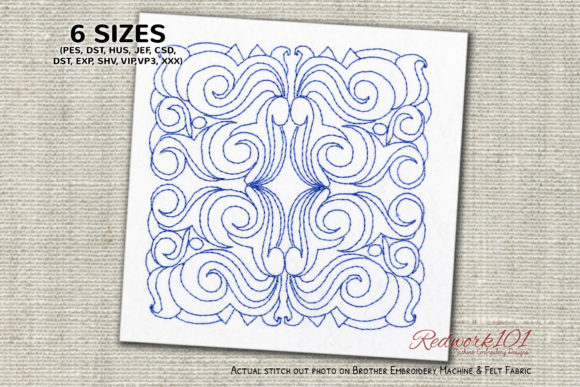
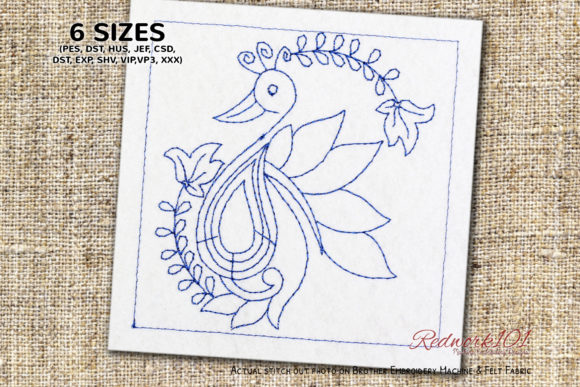
The immediate visual impact of the Peacock Floral Pattern Redwork is one of refined sophistication. The term "Redwork" traditionally refers to single-color embroidery, often in red, but in modern digital contexts, it implies a clean, outline-based aesthetic that relies on line weight and spacing rather than heavy fill stitches. This design feels both handmade and premium. It avoids the cluttered look of overly complex fills, opting instead for a graceful flow that suggests movement and organic beauty.
For a boutique owner or a creative studio, this visual personality is invaluable. It does not scream for attention like a neon logo might; instead, it invites closer inspection. This subtlety is crucial for brands aiming to project trust and professionalism. Whether you are running a florist shop, a high-end bakery, or a pet brand, the design’s elegant lines communicate care and attention to detail—qualities customers associate with high-value handmade products.
Real-World Applications for Small Business Merch
When evaluating a digital embroidery file for commercial use, I always ask: where does this live on a product? The Peacock Floral Pattern Redwork is remarkably adaptable. Here is how it performs across various small business merch categories:
- Embroidered Patches: This is perhaps the strongest application. The outline style translates beautifully to iron-on or sew-on patches. Because it lacks dense satin fills, the patch remains flexible and lightweight, making it ideal for attaching to denim jackets, canvas totes, or laptop bags without adding bulk.
- Custom Apparel and Uniforms: For café staff or boutique employees, this design works exceptionally well as a chest logo accent or a sleeve detail. It adds a touch of personality to plain work shirts or aprons without looking corporate or stiff. The apron embroidery potential is particularly strong for bakeries and florists, where a floral motif reinforces the nature of the business.
- Cap Embroidery: Caps are tricky due to the curved surface and limited space. However, if the design is scaled correctly, the linear nature of the peacock floral pattern can wrap nicely around the front panel. It offers a trendy, bohemian vibe that appeals to younger demographics.
- Tote Bag Design: Canvas totes are a staple for Etsy sellers and craft fairs. Placing this design centrally on a tote creates a striking printable mockup opportunity. The contrast between the thread and the natural canvas texture enhances the handmade aesthetic, increasing the perceived value of the finished product.
Navigating Technical Challenges in Production
While the design is visually stunning, practical application requires careful consideration of technical constraints. As a designer, I must warn against assuming any size will work. The category "Intricate Cuts" suggests fine details that can be lost if the design is scaled down too aggressively.
Stitch density is a critical factor. Redwork styles typically have lower density, which is great for fabric drape but can be problematic on loose-weave fabrics if not stabilized properly. When using this on textured fabric or dark uniforms, you must ensure high contrast. A red thread on a navy shirt works; a pink thread on a white shirt might vanish from a distance. Always test your thread colors against your specific garment stock.
Furthermore, consider the hoop size relative to the design. If you are embroidering on a cap, you are limited by the cap frame. Ensure the design fits within your standard hoop dimensions without requiring excessive re-hooping, which can lead to misalignment. For items that undergo frequent washing, such as staff uniforms or kitchen aprons, verify that the outline stitches are secure. Using a high-quality cut-away stabilizer is non-negotiable here to prevent puckering and maintain the integrity of the intricate lines over time.
Impact on Brand Identity and Customer Trust
Your choice of design assets directly influences your brand identity. The Peacock Floral Pattern Redwork helps establish a narrative of artisanal quality. In a market saturated with mass-produced goods, embroidered elements signal effort and exclusivity. When a customer receives a package with a custom-embroidered thank-you note or a branded tote, their engagement with your brand deepens.
This design supports visual consistency across different product lines. Imagine using the same peacock motif on your business cards (as a printed element), your website (as a graphic), and your physical merchandise (as embroidery). This cohesion builds recognition. For Etsy sellers, having distinct, high-quality embroidery sets you apart from competitors who rely solely on printed graphics. It transforms a simple item into a collectible handmade product.
Practical Designer Notes for Implementation
Before you integrate this design into your production workflow, follow these essential steps to ensure professional results:
- Test in Black and White First: Before committing to expensive thread cones, stitch out the design in black thread on white fabric. This allows you to clearly see the line weights and spacing issues without the distraction of color.
- Check Scalability: Stitch the design at its smallest intended size, such as for a small patch or pocket logo. Ensure the fine details of the peacock feathers and floral elements do not merge or break.
- Review Thread Contrast: Select thread colors that stand out against your base material. High contrast ensures visibility and impact, especially for commercial embroidery projects where branding needs to be instantly recognizable.
- Confirm Hoop Size and Stabilizer: Match your hoop size to the design dimensions to minimize jumps and trims. Use the appropriate stabilizer for your fabric type—cut-away for knits and stretchy materials, tear-away for stable wovens.
- Create a Mockup for Client Approval: If you are doing custom work for clients, generate a printable mockup showing the design on the actual garment. This manages expectations and reduces revisions.
- Verify Licensing: Always confirm the commercial licensing terms of the embroidery file. Ensure you have the right to use the design on items for sale, especially if you are producing large batches for custom apparel lines.
Note that specific technical details such as exact stitch count, file formats, and precise hoop requirements are not provided in the brief description. Therefore, it is imperative to download the sample or preview files and check these specifications before starting production. The description mentions that the "Stitch Box shown in the picture is optional," which implies flexibility in presentation, but you must decide whether to include border elements based on your specific application.
Final Verdict for Business Owners
The Peacock Floral Pattern Redwork is a strong contender for any small business looking to add a touch of elegance to their merchandise. It bridges the gap between traditional craftsmanship and modern branding needs. By understanding its technical requirements and leveraging its aesthetic strengths, you can create compelling brand identity tools that resonate with customers. Whether used on a chic tote bag, a stylish cap, or a professional apron, this design offers the versatility and polish needed to succeed in today’s competitive handmade market.