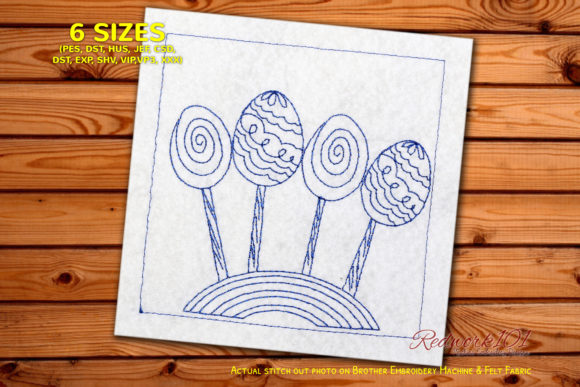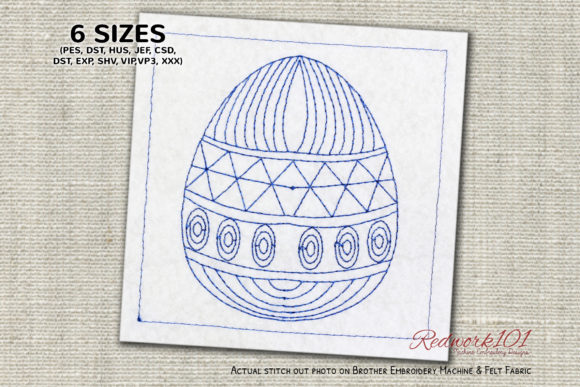
Review: Decorated Easter Egg Lineart Design
As an embroidery designer who has spent countless weekends standing behind booth tables, watching customers browse through racks of handmade goods, I have learned that not every design translates well from a computer screen to a physical product. When I first pulled up the Decorated Easter Egg Lineart Design, my immediate reaction was one of relief mixed with strategic excitement. In a market often saturated with overly complex, high-density fills that can pucker delicate fabrics, this lineart approach offers a refreshing alternative. It feels modern, minimal, and incredibly versatile, hitting that sweet spot between festive charm and contemporary aesthetic.
First Impressions and Visual Appeal
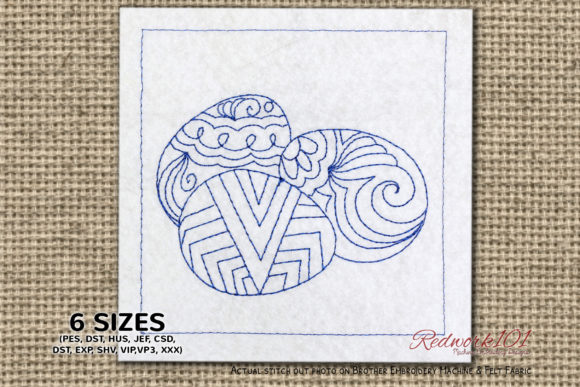
The term "lineart" immediately signals a specific style to those of us in the industry. It suggests clean outlines, open spaces, and a reliance on the fabric itself to provide the background texture. This machine embroidery design does not try to be everything at once. Instead, it leans into a decorative, almost illustrative quality. For a craft fair setting, this is crucial. Customers walking by a booth are scanning for items that catch the eye without overwhelming it. A bold, solid block of color can sometimes look heavy on a small item, but a lineart egg design allows the natural weave of a linen tea towel or the canvas of a tote bag to shine through.
I would describe the mood as soft yet structured. It is not necessarily rustic in the traditional sense, nor is it strictly farmhouse. It sits comfortably in a modern decorative niche. This makes it appealing to a broader demographic, from young parents looking for cute spring decor to adults seeking sophisticated holiday accents. The optional box stitch mentioned in the description is a smart inclusion. It gives the seller flexibility. If you are working with a fabric that frays easily or needs a defined border, the box adds structure. If you prefer a floating, airy look, skipping the outer box keeps the design light and elegant.
Product Versatility for Craft Fairs
When planning my inventory for a spring market, I always ask: where does this design live best? The Decorated Easter Egg Lineart Design is a chameleon. Here is how I see it performing across different product categories:
- Tote Bags and Market Bags: This is arguably the strongest application. A large hoop size allows the lineart to breathe. On a natural cotton canvas, the contrast of colorful thread against the neutral background creates a high-end, boutique feel. It works perfectly as a tote bag design because it is recognizable from a distance.
- Tea Towels and Aprons: For tea towel embroidery and apron embroidery, the lineart style is superior to dense fills. Dense stitching on thin cotton can cause puckering, ruining the drape of the towel. Lineart minimizes this risk, ensuring the finished product remains functional and soft. It adds a touch of seasonal flair without compromising the utility of the kitchen textile.
- Embroidered Patches: If you are creating iron-on or sew-on patches, this design scales down beautifully. The clear lines remain distinct even at smaller sizes, making it an ideal embroidered patch for denim jackets or spring-themed gift bags.
- Caps and Headwear: Curved surfaces are tricky. However, because this design likely has lower stitch density than a filled counterpart, it is less likely to distort the front panel of a cap. It serves as a subtle, stylish accent rather than a bulky statement.
Production Practicality for Small Shops
For any Etsy seller or small shop owner, time is money. Batch production is the key to profitability at craft fairs. One of the biggest advantages of this digital embroidery file is its efficiency. Lower stitch counts mean faster machine run times. You can produce more units in less time, which directly impacts your bottom line. Furthermore, the simplicity of the design means fewer thread breaks and less trimming during the hooping process.
Photography is another critical factor. In online listings, clarity is king. Lineart designs photograph exceptionally well because they do not create harsh shadows or glare that dense satin stitches might. This makes creating a printable mockup or staging real-life photos much easier. The design assets provided allow you to showcase the product in various lighting conditions, ensuring your handmade product looks professional and inviting.
Careful-Use Notes and Technical Considerations
While this design is user-friendly, there are technical nuances to consider before you start stitching your final inventory. Always check the specific details of the embroidery file regarding hoop size and format compatibility. Since the description notes that the outer box color may vary or be optional, you must decide on your thread palette carefully.
Here are my top recommendations for testing:
- Fabric Texture and Contrast: Lineart relies on contrast. If you are stitching on a dark fabric, ensure your thread colors pop. Pastel threads on black fabric may get lost. Conversely, white thread on white linen can look elegant but may lack visibility from a distance. Test your thread colors against your intended fabric swatches.
- Stabilizer Selection: Even with lower density, proper stabilization is non-negotiable. For woven fabrics like cotton or linen, a cut-away stabilizer provides long-lasting durability, especially for items like tote bags that will bear weight. For stretchy knits or caps, use a tear-away or water-soluble topping if necessary to prevent sinking.
- Scale and Clarity: If you plan to use this as a small accent on a pocket or cuff, verify that the intricate lines of the egg decoration do not merge together. What looks crisp at four inches might become a blob at one inch. Always stitch a test sample on scrap fabric identical to your final material.
- Commercial Licensing: Before selling any finished product, confirm the licensing terms of the digital file. Ensure you have the right to use it for commercial embroidery sales. Most designers offer specific licenses for small businesses, but it is vital to read the fine print.
Boosting Brand Consistency and Buyer Engagement
Ultimately, the success of a craft fair booth depends on cohesion. The Decorated Easter Egg Lineart Design supports brand consistency because it is adaptable. You can use the same design on a pillow cover, a tote, and a patch, creating a coordinated collection. This encourages buyers to purchase multiple items, increasing your average order value.
From a buyer engagement perspective, lineart feels approachable. It does not scream "mass-produced." It retains the human touch of Embroidery while maintaining a clean, professional finish. When customers pick up a tea towel with this design, they notice the quality of the stitch work because the design is not hiding behind excessive fill. It showcases the skill of the maker.
In conclusion, this design is a strong contender for any spring or Easter themed collection. It balances aesthetic appeal with production efficiency. By focusing on clean lines and thoughtful fabric choices, you can transform this digital asset into a best-selling craft fair product. Remember to test, stabilize, and license correctly, and you will find that this simple egg design carries significant weight in your handmade business strategy.