Reviewing Statue of Liberty Bluework for Holiday Sales
As an embroidery designer who has spent years curating collections for seasonal peaks, I approach every new machine embroidery design with a critical eye. It is not just about whether the stitching looks clean on my test hoop; it is about whether that design will sell when the holiday rush hits. Recently, I reviewed the Statue of Liberty Bluework design, and I found it to be a compelling addition to any patriotic or Independence Day product line. This piece captures a specific aesthetic that bridges the gap between traditional Americana and modern decorative stitching, making it a versatile asset for Etsy sellers and small business owners alike.
The Aesthetic Appeal and Seasonal Mood
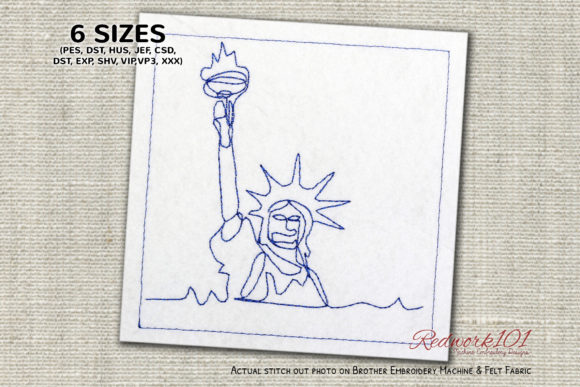
The first impression of the Statue of Liberty Bluework is one of understated elegance. Unlike loud, multi-colored graphics that scream for attention, bluework relies on tonal variation and texture. This design evokes a nostalgic, almost heirloom quality. It feels premium and thoughtful, which is exactly the vibe customers are looking for when they seek a handmade gift that stands out from mass-produced merchandise. The emotional tone is respectful and celebratory without being overly aggressive, making it suitable for a wide demographic, from young families to older generations who appreciate classic craftsmanship.
For those planning their seasonal embroidery collections, this design offers a fresh alternative to the standard red, white, and blue block colors. It allows you to create products that feel cozy and rustic yet remain firmly rooted in the patriotic theme. Whether you are aiming for a vintage look or a clean, modern minimalistic style, this design adapts beautifully. It serves as a perfect anchor for an Independence Day collection that values subtlety and sophistication.
Practical Applications for Your Product Line
When I evaluate a new digital embroidery file, I immediately visualize it on various substrates. The Statue of Liberty Bluework performs exceptionally well across a diverse range of items. Here is how I see it fitting into a real-world small shop product lineup:
- Sweatshirt Embroidery: Placed on the left chest of a high-quality hoodie or crewneck, this design adds a touch of class. It works particularly well on heather grey, navy, or white garments where the tonal stitching can shine.
- Tote Bag Design: A canvas tote featuring this motif becomes an instant bestseller for summer markets. It is practical, stylish, and perfect for carrying picnic supplies during Fourth of July celebrations.
- Kitchen Towel Embroidery: Home decor is a massive category for holiday sales. Stitching this design on flour sack towels creates an affordable yet charming personalized gift option for hostesses.
- Pillow Cover Accents: For home decor enthusiasts, adding this to a linen or cotton pillow cover can elevate a living room’s seasonal display without overwhelming the space.
- Embroidered Patch: If your equipment supports it, creating iron-on or sew-on patches allows customers to customize their own jackets or bags, increasing engagement and perceived value.
These applications are not just theoretical. In my experience, items that combine utility with sentimental design, such as aprons or table linens, tend to have higher conversion rates during holiday shopping periods. The Statue of Liberty Bluework lends itself to these items because it does not dominate the fabric; rather, it enhances it.
Navigating Technical Challenges and Hoop Constraints
While the design is visually striking, there are technical considerations every embroiderer must address. The description notes that the Box Stitch shown in promotional pictures is optional. This is a crucial detail. In most variations, the color of the outer box differs from the main design, or it may not be part of the core file at all. You have the flexibility to skip this element if it does not suit your specific project. This modularity is a benefit, allowing you to simplify the design for smaller items or complex fabrics.
However, caution is required when working with certain materials. Bluework relies heavily on the interplay of light and shadow created by the stitches. On dark fabric, you must be meticulous with your thread choice. A standard blue thread may disappear against navy cloth. I recommend testing thread colors on both light and dark fabric before committing to a production run. Additionally, consider the stitch density. If the design is dense, ensure you are using the appropriate stabilizer to prevent puckering, especially on stretchy garments like t-shirts or curved caps.
Another factor is the hoop size. While the exact dimensions are not specified in the brief, you must confirm the hoop size required for your machine. If you are stitching on small items like baby onesies or ornaments, ensure the design scales down without losing detail. Tiny lettering or intricate layers can become muddy if the design is reduced too much. Always review small details after stitching a test sample to ensure clarity.
Maximizing Sales Through Visual Presentation
In the world of online selling, particularly for an Etsy seller, presentation is everything. The Statue of Liberty Bluework offers excellent opportunities for creating compelling visual content. Because the design is monochromatic or limited in palette, it photographs beautifully. Use natural lighting to highlight the texture of the stitches. Create realistic mockups that show the design in context—on a picnic blanket, held by a child, or folded neatly on a kitchen counter.
Consider creating gift bundles. Pair a tote bag design with a matching kitchen towel embroidery set. These bundles increase the average order value and make decision-making easier for customers looking for complete holiday embroidery solutions. Furthermore, use printable promotional graphics that feature close-ups of the stitching. Showcasing the quality of the work builds customer trust and highlights the premium nature of your finished product.
Social media previews should focus on the versatility of the design. Show it on different fabric texture types to demonstrate its adaptability. Engage your audience by asking them how they would style the item. This not only boosts engagement but also provides valuable feedback on which products resonate most with your followers.
Final Designer Notes and Licensing Considerations
Before adding the Statue of Liberty Bluework to your store, there are a few final checks to perform. First, verify the commercial licensing terms. Ensure that your purchase of the digital embroidery file grants you the right to sell physical items made with the design. Most designers offer specific licenses for small businesses, but it is essential to confirm this to avoid legal issues.
Second, plan your color palettes carefully. While bluework is traditionally blue, do not be afraid to experiment with seasonal variations. A deep green for Christmas or a soft pink for spring could extend the life of the design beyond Independence Day. However, maintain brand consistency. If your shop is known for patriotic goods, stick to the classic blues and whites to reinforce your niche.
Finally, remember that quality control is paramount. Check for loose threads, proper tension, and clean backing removal. A flawless commercial embroidery finish leads to positive reviews and repeat customers. By treating the Statue of Liberty Bluework with the care it deserves, you can create a standout collection that celebrates the season while driving significant revenue for your business.
In conclusion, this design is more than just a pattern; it is a tool for storytelling. It allows you to connect with customers on an emotional level, offering them a piece of art that celebrates heritage and craftsmanship. With careful planning and attention to detail, the Statue of Liberty Bluework can become a cornerstone of your seasonal offerings.